After a flood, leak, or storm event, it’s tempting to grab a few fans, open the windows, and handle the drying process yourself. It seems straightforward enough — remove the water, dry the space, move on. But structural drying is far more complex than it appears, and the difference between DIY methods and professional services can determine whether your home truly recovers or quietly develops problems down the track.
What DIY Drying Typically Involves
Most homeowners attempting DIY drying rely on household fans, open windows, and perhaps a portable dehumidifier picked up from a hardware store. This approach can help evaporate surface moisture on hard flooring or exposed surfaces relatively well. However, it has significant limitations when it comes to moisture that has penetrated deeper into building materials.
Why DIY Often Falls Short
Limited Reach
Household equipment simply isn’t powerful enough to draw moisture out of subfloors, wall cavities, or beneath carpet padding. Water trapped in these areas can remain damp for weeks, even when surfaces appear dry to the touch.
No Way to Detect Hidden Moisture
Without moisture meters or thermal imaging cameras, it’s nearly impossible to know whether a wall cavity or subfloor is still holding moisture. This guesswork often leads homeowners to believe a space is fully dry when significant dampness remains, setting the stage for mould growth.
Risk of Mould Development
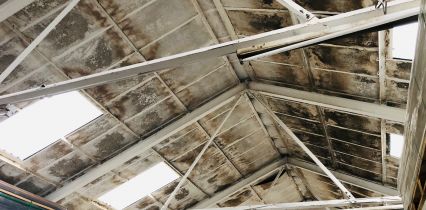
Mould can begin developing within 24 to 48 hours in damp conditions, and Sydney’s humid climate accelerates this timeline further. Incomplete drying is one of the leading causes of mould problems appearing weeks after a flood event, often in places that were never fully addressed.
Structural Concerns Go Unnoticed
Prolonged moisture exposure can weaken timber framing, cause flooring to warp, and compromise plasterboard. Without professional assessment, these structural issues may not be identified until they’ve progressed significantly.
What Professional Structural Drying Offers
Industrial-Grade Equipment
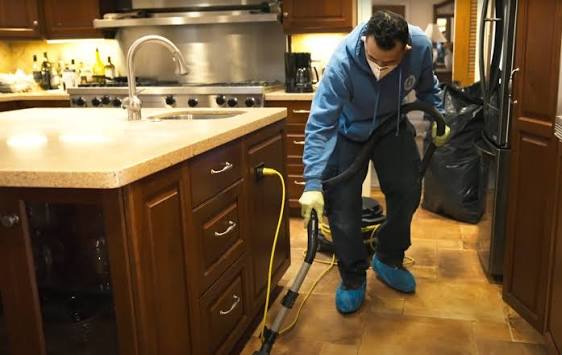
Professional restoration teams use high-capacity dehumidifiers, air movers, and specialised drying mats designed to extract moisture from deep within building materials — equipment far beyond what’s available for home use.
Accurate Moisture Monitoring
Technicians use moisture meters and thermal imaging to track drying progress accurately, ensuring every affected area — visible or hidden — reaches a safe moisture level before the job is considered complete.
Structured Drying Plans
Rather than a one-size-fits-all approach, professionals develop a tailored drying plan based on the type of materials affected, the extent of water penetration, and environmental conditions, adjusting equipment placement as drying progresses.
Mould Prevention Built In
Professional drying processes often include antimicrobial treatments as a precaution, reducing the risk of mould developing even in areas that were only mildly affected.
When DIY Might Be Enough
For very minor spills on hard, non-porous surfaces with immediate cleanup, DIY methods may suffice. However, any situation involving carpet, significant water volume, prolonged exposure, or unknown moisture penetration should involve professional assessment at minimum.
The Real Cost of Cutting Corners
While DIY drying might seem like a cost-saving measure upfront, incomplete drying often leads to far more expensive problems later — mould remediation, structural repairs, and replacement of damaged materials can far exceed the cost of proper professional drying from the start.
Trust the Experts With Your Home’s Recovery
At Water Drying Experts, our certified technicians use advanced equipment and proven techniques to ensure your Sydney home is genuinely, thoroughly dried — not just on the surface. Don’t leave your structural drying to guesswork; let our team give your home the complete recovery it deserves.