
Most Australian homeowners struggle to maintain their lawns because poor upkeep leads to unsightly yard problems. To treat your lawn properly, you need to identify the source of its problems, whether they come from pests or weak soil conditions. Australian home lawns often encounter this list of five main lawn problems, which can be resolved using the following practical remedies.
1. Weeds Taking Over
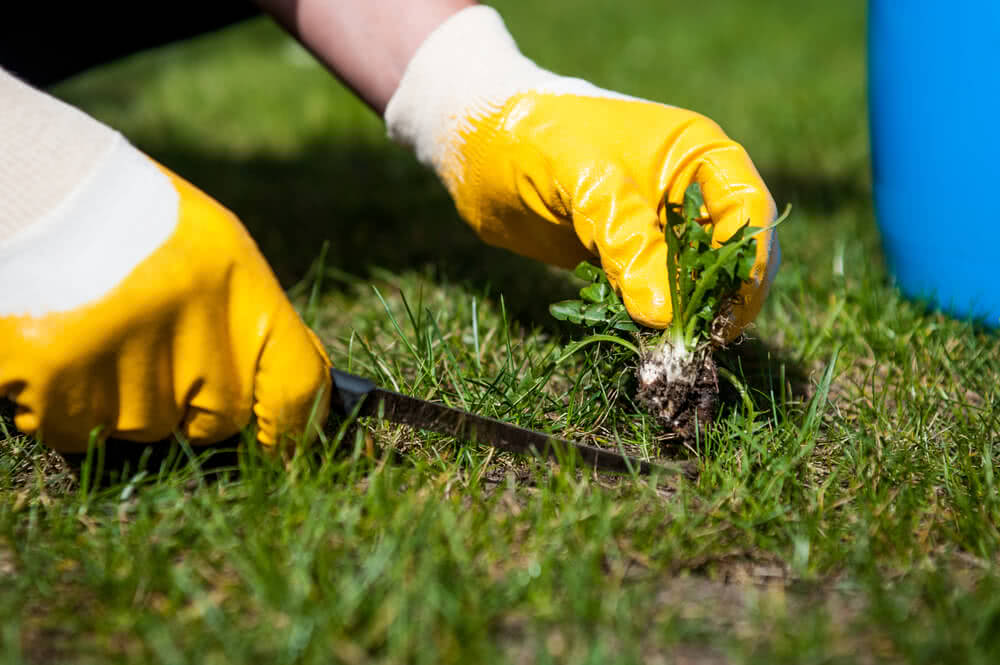
Most people who care about their lawns must constantly fight against weed growth. The three main weed offenders that thrive in bare areas include bindii together with clover and dandelion. Weeds harm your lawn in two ways: by ruining its appearance and fighting with grass roots for both water and nutrients.
Fix: Proper care that includes regular mowing with correct fertilisation and proper water application will strengthen your grass to prevent weed invasion. Using herbicides that selectively weaken weeds instead of grass constitutes an efficient spot-spraying approach.
2. Dry Patches and Bare Spots
Heavy foot traffic combined with compacted soil and deficient irrigation practices and pet urine, respectively, contributes to bare or dry grass areas across the yard. The impacted areas disrupt your lawn presentation and simultaneously create preferred conditions for weed colonisation.
Fix: Use a garden fork or aerator to loosen compacted soil before sowing new grass or turf seeds over the bare area. Your lawn should get steady watering at all times, especially during the dry Australian summer months.
3. Lawn Grubs and Pests
Home gardeners in Australia must address lawn grubs, which are both curl grubs and armyworms because they cause extensive damage throughout the lawns. Lawn grubs damage grass by consuming its roots until the area becomes brown and spreads rapidly if untreated.
Fix: Symptoms that lawn grubs cause include soft grass areas and birds feeding on the turf. Apply appropriate lawn grub control products according to your grass type and follow up with water thoroughly. Pest prevention treatments applied in warm months help maintain general pest control.
4. Poor Soil Quality
Superficial soils that are sandy or contain dense clay or sparse nutrients will produce weak and pale lawns. Specific parts of Australia contain soil which provides limited conditions for developing turf.
Fix: You should perform a soil test to discover what your grass lacks in nutrients. Your lawn requires organic materials, together with improved drainage and pH control adjustments. The application of quality soil through aeration and topdressing combination produces significant positive effects on lawn development.
“Request professional assistance from Jay’s Mowing to determine the right course of action and develop specific treatments for lawn revitalisation.”
5. Overwatering or Underwatering
Proper watering requires a correct combination of both frequency and amount). Too much water can trigger root rot and fungal problems, yet too little water will produce dry spots, especially during warm weather.
Fix: Deep waterings should be spaced evenly to help roots grow stronger. To reduce water loss from your lawn, water it early in the morning. Diverse lawn types in Australia require 25mm weekly water intake during particular seasons.
Final Thoughts
The practice of lawn maintenance doesn’t require stressful confrontations. Evaluating lawn issues during their early phases combined with proper treatment solutions helps owners obtain beautiful green grass throughout the entire year. Basic knowledge of proper gardening and horticulture principles creates significant changes to your gardening success. Whatever your doubts are, please reach out to expert professionals right away.

